
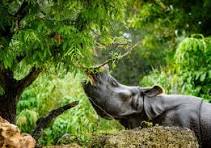
Introduction: Oaur wildlife
When we think about the breathtaking beauty of our planet, our minds naturally wander to the majestic landscapes, rolling oceans, and expansive skies that frame our daily lives. Yet, the true heartbeat of these ecosystems lies in wildlife. From the microscopic organisms thriving in deep-sea hydrothermal vents to the towering giraffes pacing across the African savannahs, wildlife represents the dynamic, untamed essence of Earth. It is the intricate web of non-domesticated animals, plants, and microorganisms that interact to maintain the delicate balance of our global biosphere.
Throughout human history, wildlife has captured our imagination, inspired our mythologies, and fueled our scientific curiosities. However, in the modern era, this magnificent biological heritage faces unprecedented challenges. Understanding, appreciating, and actively conserving wildlife is no longer just a passionate hobby for nature enthusiasts; it is an urgent global imperative for the survival of humankind and the health of our planet. This article explores the rich diversity of Earth’s animal kingdoms, the profound ecological importance of these creatures, the severe threats they face, and the actionable steps we can all take to protect the rich tapestry of wildlife for generations to come.
Tap tp open to see wildlife videos.
ranveershershiya.in press to see website.
The Incredible Spectrum of Global Habitats
To truly comprehend the scope of wildlife, we must journey across the diverse and extreme habitats that cover our globe. Every ecosystem on Earth—from the freezing poles to the humid equatorial rain forests—serves as a specialized cradle for unique species adapted to survival against the odds.
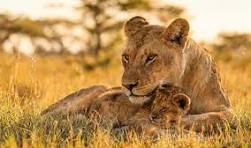
The Thermal Wonders and Depths of Oceans
Covering over seventy percent of the Earth’s surface, the oceans harbor the most expansive and least explored realms of wildlife. Coral reefs, often called the rainforests of the sea, teem with vibrant marine creatures such as clownfish, sea turtles, and majestic manta rays. Deeper still, in the pitch-black midnight zone, bizarre and wonderful creatures like the anglerfish and giant squids utilize bioluminescence to navigate and hunt. Marine wildlife is crucial not only for oceanic health but also for regulating the global climate and providing food security for billions of humans.
Forests and Woodlands in wildlife : The Green Lungs
Forest ecosystems—ranging from the Amazon Rainforest to the coniferous taiga of Siberia—are vibrant hotspots of terrestrial wildlife. Here, towering trees create multi-layered canopies that host countless species of insects, colorful birds like macaws and toucans, agile primates, and elusive predators such as jaguars and leopards. Every layer of the forest floor, from the decomposing leaf litter crawling with fungi and beetles to the highest branches, is alive with biological activity. The preservation of forest wildlife directly correlates with the carbon-sequestration capacity of these vital green spaces.
Grasslands, Deserts, and Tundras
Life in open grasslands and arid deserts requires extraordinary evolutionary adaptations. In the African savannas, massive herbivores like elephants, zebras, and wildebeests undertake epic migrations, followed closely by apex predators like lions and cheetahs. Meanwhile, desert wildlife—such as the fennec fox, camel, and various reptiles—has developed specialized mechanisms to survive extreme temperatures and scarce water resources. Similarly, tundra wildlife, including polar bears, arctic foxes, and snowy owls, showcases nature’s resilience in freezing polar environments where winters are long and unforgiving.
The Ecological Significance and Keystone Species
The presence of diverse wildlife is not merely a visual spectacle; it is the fundamental framework that keeps our ecological systems functioning smoothly. Every species plays a specific role, acting as a thread in the complex fabric of nature.
Nutrient Cycling and Habitat Maintenance
Many animals contribute directly to soil health and nutrient cycling. For instance, earthworms, burrowing mammals, and insects aerate the soil, allowing water and oxygen to reach plant roots. Large herbivores like elephants trample brush, disperse seeds over vast distances through their dung, and help open up landscapes for new plant growth. Without this continuous interaction between flora and wildlife, terrestrial ecosystems would quickly stagnate and collapse.
Keystone Species and Trophic Cascades
Certain animals, known as keystone species, exert a disproportionately large effect on their environment relative to their abundance. A classic example is the sea otter. By feeding on sea urchins, sea otters prevent these spiny herbivores from overgrazing kelp forests. In turn, healthy kelp forests absorb massive amounts of carbon dioxide and provide shelter for hundreds of other marine species.
Another profound example is the reintroduction of gray wolves into Yellowstone National Park. As wolf populations regulated elk behavior and numbers, overgrazed riverbanks regenerated, bringing back beavers, songbirds, and even changing the physical courses of rivers. This phenomenon, known as a trophic cascade, demonstrates how protecting a single component of wildlife can rejuvenate an entire regional landscape.
The Silent Crisis in wildlife : Threats to Global Biodiversity
Despite their ecological importance, populations of global wildlife are facing a rapid and alarming decline. Scientists frequently warn that we are currently living through the Earth’s sixth mass extinction event, largely driven by human activities.
Habitat Destruction and Fragmentation
The single greatest threat to modern wildlife is the destruction of natural habitats. As human populations expand, vast tracts of forests, wetlands, and grasslands are cleared for agriculture, urbanization, logging, and infrastructure development. This not only kills countless animals directly but also fragments remaining habitats into isolated patches. Isolated animal populations suffer from inbreeding, reduced genetic diversity, and an inability to migrate in response to changing environmental conditions.
Poaching and Illegal Wildlife Trade
The commercial exploitation of animals remains a devastating crisis. Driven by traditional medicine demands, the exotic pet trade, and the luxury market for items like ivory, rhino horn, and fur, poaching pushes iconic species to the absolute brink of extinction. Species such as the Sumatran rhinoceros, the pangolin, and various exotic birds are heavily targeted by international criminal networks, threatening the long-term viability of wildlife populations worldwide.
Climate Change and Pollution
Anthropogenic climate change is altering weather patterns, melting polar ice caps, raising ocean temperatures, and intensifying droughts and wildfires. These rapid changes outpace the evolutionary capacity of many species, leading to massive die-offs and shifting geographic ranges. Furthermore, chemical pollutants, microplastics in our oceans, and pesticide runoffs poison aquatic and terrestrial wildlife, disrupting hormonal systems and reproductive success across the food chain.
Conservation Success Stories and Modern Strategies
While the challenges facing global wildlife are severe, history has shown that dedicated conservation efforts can pull species back from the very precipice of extinction.
Protected Areas and National Parks for wildlife
Establishing national parks, wildlife reserves, and marine protected areas has proven to be one of the most effective strategies for safeguarding ecosystems. These sanctuaries provide safe havens where human exploitation is restricted or prohibited, allowing endangered wildlife populations to stabilize and recover safely. Successful networks of protected areas ensure that migration corridors remain open and natural ecological processes can continue unhindered.
Community-Based Conservation and Ecotourism
Modern conservation recognizes that local and indigenous communities must be active partners in protecting nature. Initiatives that empower local populations through sustainable ecotourism create economic incentives to preserve wildlife rather than exploit it. When communities see direct financial and social benefits from protecting animals like mountain gorillas or tigers, they become the most fierce and effective guardians of their local natural heritage.
Technological Innovations in Monitoring
Technology is revolutionizing how we study and protect vulnerable species. Conservationists now utilize drone surveillance, satellite tracking collars, acoustic sensors to detect illegal logging or gunshots, and artificial intelligence-powered camera traps. These tools allow researchers to monitor wildlife populations in real-time, track poaching threats, and gather critical data needed to implement targeted management and recovery plans.
The Human Connection: Why Protecting Nature Matters in wildlife
Beyond economics and ecosystem services, our relationship with wildlife holds profound cultural, psychological, and ethical dimensions. Humans have drawn artistic and spiritual inspiration from the animal kingdom since the days of ancient cave paintings.
Furthermore, psychological studies consistently show that exposure to nature and diverse wildlife reduces stress, improves mental clarity, and fosters a deep sense of peace and well-being. Ethically, many philosophers argue that every species possesses an intrinsic right to exist, independent of its utility to human beings. As the dominant species on Earth, humanity bears a heavy moral responsibility to act as stewards rather than conquerors of the natural world.
Conclusion: A Call to Action for Our Future in wildlife
In summary, the preservation of our planet’s rich biological diversity is an absolute necessity for sustaining life on Earth. From the microscopic web of oceanic organisms to the great mammals roaming continental plains, every single element of wildlife contributes to the dynamic resilience of our global home.
Protecting this heritage requires a unified global commitment. Individuals can make a difference by supporting conservation organizations, reducing carbon footprints, practicing ethical consumption, and raising awareness about the plight of endangered species. Governments and corporations must prioritize sustainable development policies that respect ecological boundaries. By taking decisive action today, we can ensure that future generations inherit a vibrant planet where magnificent wildlife continues to roam free, inspiring wonder and maintaining the ecological balance of our world.
Frequently Asked Questions
What is the primary cause of global biodiversity loss?
The primary driver of biodiversity loss is habitat destruction caused by human activities such as deforestation, agricultural expansion, and urban development, closely followed by climate change and illegal poaching.
How do keystone species affect their ecosystems?
Keystone species have a disproportionately large impact on their environment. Their presence or absence dictates the structure and health of the entire ecosystem, influencing the populations of numerous other plants and animals.
What can an individual do to help protect endangered species?
Individuals can contribute by reducing their environmental footprint, supporting reputable conservation charities, avoiding products derived from illegal trade (such as ivory or exotic skins), and advocating for sustainable environmental policies in their local communities.
0 Comments